Small Changes, Big Breath: How Practical Tweaks Improve Fume Extraction Performance
Introduction: A shop story, some numbers, and a question
I once walked into a metal shop where the welders coughed more than the grinders — a small, familiar scene. In that shop, fume extraction equipment sat along the benches but ran on old settings and dusty ducts. The data was blunt: airborne particle counts were three to five times higher than the site target, and workers complained of headaches and eye irritation within hours. So I asked: if the hardware is there, why does the air stay dirty?
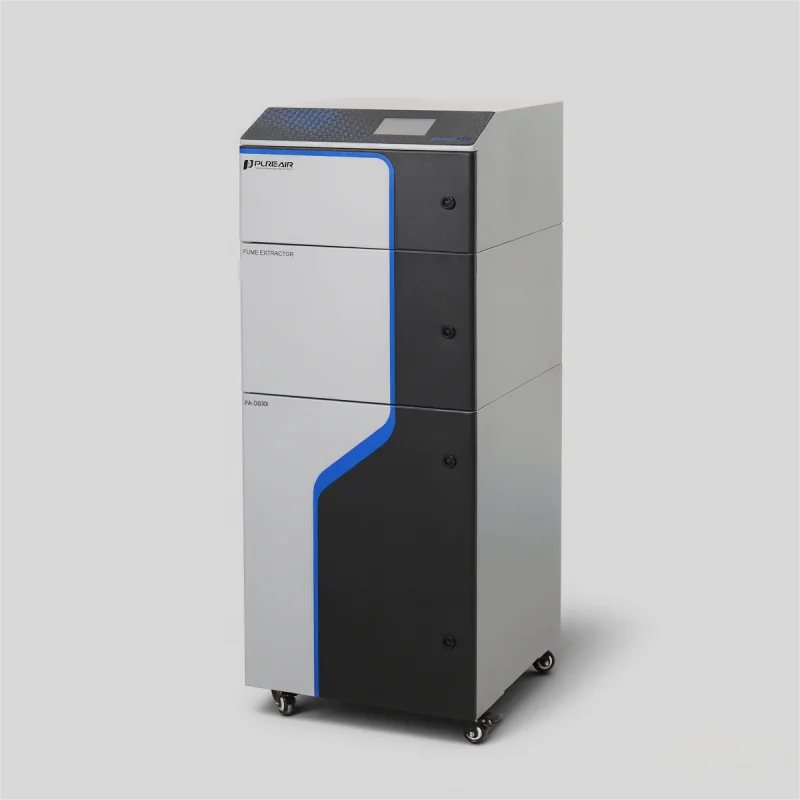
I want to be practical here. I’ll call out real faults, not blame. You’ll see references to HEPA filter stages, flow balancing, and basic power converters — because those parts matter. (Also: the smallest damper tweak changed one line’s particle capture rate by nearly 20%—funny how that works, right?) Now, let’s peel back the surface and find the real causes. Next, I’ll explain what usually hides behind “it’s working fine.”
Part 2 — Hidden Pain Points and Why the Old Fixes Fail
laser cleaner systems promise clean metal and clear air, but I’ve seen them paired with subpar extraction setups that defeat the benefit. In many shops the extraction hood is mismatched, the fan curve ignored, and the HEPA filter is treated like an afterthought. The result: poor filtration efficiency and patchy particle capture across workstations. Look, it’s simpler than you think—fix the flow first, then chase filters.
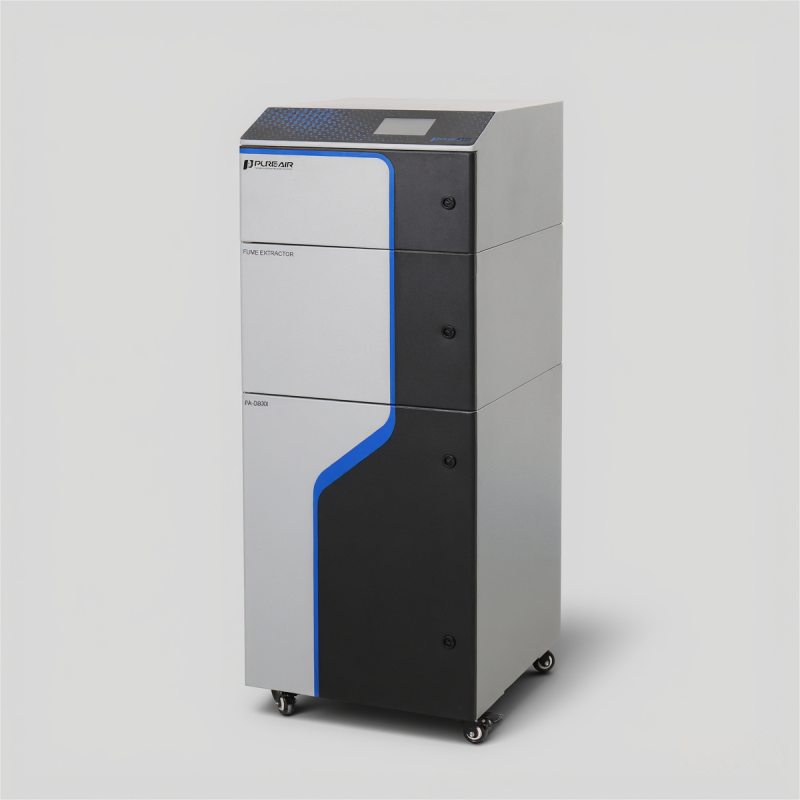
Why does the old way fail?
First, people rely on installed capacity rather than measured performance. A rated fan doesn’t mean actual cubic feet per minute (CFM) at the hood. Second, maintenance is episodic. Filters get loaded; static pressure rises; extraction drops. Third, systems are tuned for peak load but run most of the time at lower speeds — that changes recovery time and increases background dust. I’ve tested units where slightly more frequent filter checks and a modest damper reset reduced particle spikes by half. The pain point is not just air readings; it’s downtime, worker discomfort, and hidden energy waste. We feel that — literally — and that’s what drives the need for a better approach.
Part 3 — New Principles and Practical Next Steps
Looking forward, I focus on principles, not gadgets. New setups combine basic sensors, smarter control (edge computing nodes), and improved fan matching to keep extraction steady. A modern implementation around a laser cleaner means sizing the hood, measuring CFM at the point of capture, and using a controller that responds to load changes in real time. That reduces wasted airflow and keeps filtration efficiency where it should be. I’ve helped teams swap manual dampers for simple automated valves and the improvement was immediate — less noise, more capture, and lower energy draw.
What’s Next?
Start with three practical moves: measure, balance, and monitor. Measure actual flow at the hood (not just fan spec). Balance the system so each station gets what it needs. Monitor with basic sensors to catch filter loading or fan drift early. Those steps let you evaluate upgrades like a higher-efficiency HEPA stage or variable-speed drives objectively — not on a salesperson’s pitch. Also, remember: installation quality beats fancy specs every time; a misaligned duct will kill performance more than a premium filter can save. — I’ve seen it happen.
To wrap up, here are three evaluation metrics I use when advising teams: measured CFM at point of capture, sustained filtration efficiency under normal load, and time-to-recover after a burst event. If a solution hits those targets, it’s worth the investment. If not, dial back and fix basics first. We want air people can breathe and machines that run predictably. For practical help and tested systems, check the team at PURE-AIR.